Knowing how to increase brand awareness for a small business is one of the most valuable skills you can build. Without it, even the best product or service sits invisible while less capable competitors take the customers that should be yours.
Understanding how to increase brand awareness for a small business starts with one insight: it is not just about being seen. It is about being remembered. When a potential customer thinks about your category, you want your name to be the first one that comes to mind. That does not happen by accident. It takes a mix of consistent, small-business branding, smart visibility strategies, and enough patience to let them compound.
This guide covers 15 proven brand awareness strategies that work for small businesses at every stage. Whether you are just starting or looking to break into a new market, these tactics are practical and within reach. Our digital marketing agency team can help you build one from the ground up.
Key Takeaways
- Brand awareness is built through consistency, not just one-off campaigns.
- You do not need a big budget to increase brand visibility — you need a focused plan.
- Social media, content, and SEO are the three channels that compound most effectively for small businesses.
- Word of mouth remains one of the highest-converting brand awareness tools available.
- Consistent brand identity across every touchpoint is what makes recognition stick.
Why Understanding How To Increase Brand Awareness for Small Businesses Matters
Knowing how to increase brand awareness for a small business gives you a foundation that every other channel can build on. People do not buy from businesses they have never heard of. They buy from brands they recognise, trust, and feel confident about.
According to Nielsen, 75 per cent of consumers say they are more likely to buy from a brand they recognise. For small businesses competing against established names, brand recognition is the single most important gap to close. Build brand visibility consistently, and you change the odds in your favour.
The good news is that small businesses have structural advantages. They can be more personal, more responsive, and more authentic than large brands. Each of the strategies below plays to those strengths.
Strategy 1: Define Your Brand Identity Before You Build Awareness

You cannot build awareness of something that is not clearly defined. Many owners learning how to increase brand awareness for a small business skip this step in the rush to get visible. But inconsistent visuals, unclear messaging, and a voice that changes from platform to platform create confusion rather than recognition.
Before investing in any awareness channel, lock down your brand identity. The brand identity element small business owners most often skip is the voice and tone work. But that is what makes every piece of content feel like you. That means a consistent logo, colour palette, typography, and tone of voice. It also means a clear positioning statement that explains who you are, who you serve, and why you are different.
Consistency Across Every Touchpoint
Every brand touchpoint should feel unmistakably like you. That includes your website, your social profiles, your packaging, and your email signature. Strong branding services establish this foundation before any visibility work begins. Without it, awareness spent builds nothing durable.
Strategy 2: Build a Content Marketing Strategy That Compounds
Content marketing builds brand awareness one piece at a time. Each article, guide, or video you publish adds to a library that keeps working long after it goes live. Unlike paid advertising, content does not stop when the budget runs out.
Start with the questions your target customers are already searching for. Answer them better than anyone else. Publish consistently. Over time, you build a presence in search results that brings new audiences to your brand without ongoing ad spend. Our content marketing agency builds these strategies for Australian businesses at every stage of growth.
Focus on Topics That Show Your Expertise
The most effective content for brand awareness does not just drive traffic. It demonstrates that your business genuinely knows what it is talking about. Write from experience. Share opinions. Take positions. Content that shows a point of view builds a brand people remember and return to.
Strategy 3: Use Social Media to Build a Recognisable Brand Presence
Social media brand awareness grows when you show up consistently with content that reflects who you are. Posting every day does not matter if the content is generic. What matters is that every post looks, sounds, and feels like your brand.
Choose two or three platforms where your target audience actually spends time. Do those well before spreading thin. Instagram and LinkedIn work for most Australian small businesses. TikTok works well if your audience skews younger or your product lends itself to video.
Organic First, Paid to Amplify
Build an organic social presence before investing in paid social. Organic content shows you what resonates with your audience. Once you know which posts perform, paid promotion amplifies what is already working rather than wasting budget on testing in the dark.
Strategy 4: Invest in SEO to Build Long-Term Visibility
One of the most durable ways to increase brand awareness for a small business is through search engine rankings. Online brand awareness compounds every time someone finds you in Google without you paying for the click. When your business appears at the top of Google for your customers’ search terms, you earn visibility every day. And you do not pay per click for it.
SEO for brand awareness works at two levels. Local SEO puts your business in front of people searching in your area. Content SEO builds authority around the topics your audience cares about. Both create awareness that compounds over time. Our SEO services are built to deliver exactly this for Australian small businesses.
Claim and Optimise Your Google Business Profile
For local small businesses, your Google Business Profile is the single most important brand awareness asset available. It is also free. It appears in map searches, local results, and Google’s Knowledge Panel. Keep it complete, accurate, and populated with recent photos and reviews.also understands digital marketing, SEO, and paid media can build a site designed to be found, not just designed to look good. Strategy and development working together from day one produces far better results than treating them as two separate projects.
Strategy 5: Leverage Word of Mouth and Referrals
Word of mouth marketing is still the most trusted form of brand awareness available. According to BrightLocal, 98 per cent of consumers read online reviews for local businesses, and most trust them as much as a personal recommendation. A referral from a friend or colleague carries more weight than any ad. It also costs nothing beyond the effort to deliver an experience worth talking about.
The key is to make your business easy to recommend. Give customers a clear way to refer others. Ask satisfied clients to leave a Google review. Create a simple referral programme with a small incentive. Most businesses never ask. Those that do consistently see referral become one of their top acquisition channels.
Turn Happy Customers Into Brand Advocates
Your best customers are your most credible brand ambassadors. Feature their stories. Celebrate their success. Share user-generated content with their permission. When your existing customers talk about you publicly, it reaches audiences you could not access any other way.
Strategy 6: Partner With Complementary Local Businesses

Local brand awareness grows fastest when businesses support each other. Find other small businesses in your area that serve the same target customer but are not direct competitors. Cross-promote each other’s services. Co-host events. Bundle offers.
These partnerships work because they give both businesses access to each other’s audiences without paid media spend. Think of a cafe and a florist. Or a personal trainer and a health food supplier. A web designer and a bookkeeper work well together, too. The combinations are endless. The benefit is mutual.
Join Local Business Networks
Chamber of commerce memberships, industry associations, and local business networks all create brand visibility within your community. Speaking at local events and sponsoring community work puts your brand in front of the right people. Showing up consistently at networking events reinforces that presence.
Strategy 7: Run Targeted Paid Social Campaigns
Brand awareness campaigns on Meta give small businesses the ability to reach highly specific audiences. There is almost no minimum budget required. You can target by location, age, interests, behaviour, and even job title. For small businesses with a clear customer profile, this precision is invaluable.
The most effective brand awareness campaigns do not hard-sell. They introduce the brand, tell the story, and create a first impression. Video performs particularly well for awareness. Short, authentic, scroll-stopping clips are the most cost-effective way to put your brand in front of new audiences on social. Our social media marketing agency builds and manages these campaigns for Australian small businesses.
Retarget Warm Audiences
Once someone has visited your website or engaged with your social content, they are a warm audience. Retargeting campaigns show your brand to these people again. This repeated exposure builds familiarity and trust faster than any first impression can.
Strategy 8: Collaborate With Influencers in Your Niche
Influencer marketing for small businesses does not require celebrity partnerships. When done well, influencer marketing gives small business owners access to substantial brand reach on a modest budget. Micro-influencers with audiences of 5,000 to 50,000 followers in your niche often deliver better results than large accounts. Their audiences are more engaged, their recommendations are more trusted, and their rates are far more accessible.
The best influencer collaborations feel genuine. Find creators who already talk about the problem your product solves or the lifestyle your brand fits. Send them your product. Give them creative freedom. An authentic review from a trusted voice in your niche can introduce your brand to thousands of exactly the right people. Our influencer marketing agency connects Australian small businesses with the right creators.
Strategy 9: Use Email Marketing to Stay Top of Mind

Email is not the tool for building brand awareness with cold audiences. However, it is the most cost-effective channel for staying in front of an audience that already knows you. It does not build brand awareness from scratch. However, it keeps your brand front of mind with warm contacts. These people are far more likely to buy, refer, or return than a cold audience.
A simple monthly newsletter with useful content, business updates, and a genuine personality builds a relationship that social media rarely achieves. Over time, it turns subscribers into loyal customers and customers into advocates. Our email marketing services help Australian businesses build and automate email programmes that compound in value.
Build Your List Before You Need It
Most small businesses only think about their email list when they need to make a sale. The businesses that benefit most build their list consistently before they need it. Add a subscribe option to your website, offer a lead magnet, and capture email addresses at every appropriate touchpoint.
Strategy 10: Get Featured in Local and Industry Media
Media coverage puts your brand in front of an audience you did not have to build yourself. A local newspaper feature reaches readers who may never have found you otherwise. A guest article in an industry publication works the same way. So does a podcast spot.
You do not need a publicist to earn media coverage. Start local. Pitch your story to community papers and regional news outlets. Identify industry podcasts and offer to be a guest. Write opinion pieces for trade publications. Earned media builds brand authority in a way that paid advertising simply cannot replicate. Our public relations agency can accelerate this process for small businesses ready to invest in PR.
Build Relationships With Journalists Over Time
One piece of coverage is useful. An ongoing relationship with a journalist or editor is invaluable. Follow them. Engage with their work. Offer expert commentary on stories in your space. Be genuinely helpful before you make a pitch. The relationships you build now pay off for years.
Strategy 11: Sponsor Local Events and Community Initiatives
Sponsoring a local event puts your brand in a positive, community-facing context. This is one of the most underused ways to increase brand awareness for a small business at the local level. Your logo appears on signage, programmes, and social posts. Your name gets announced. Attendees associate your brand with something they care about. That association carries real weight for local brand awareness.
Sponsorships do not need to be expensive to be effective. Local sports teams, school events, charity runs, and community markets all offer low-cost opportunities. The key is choosing events where your target audience is present and where the association feels natural for your brand.
Strategy 12: Build a Strong Google Business Profile
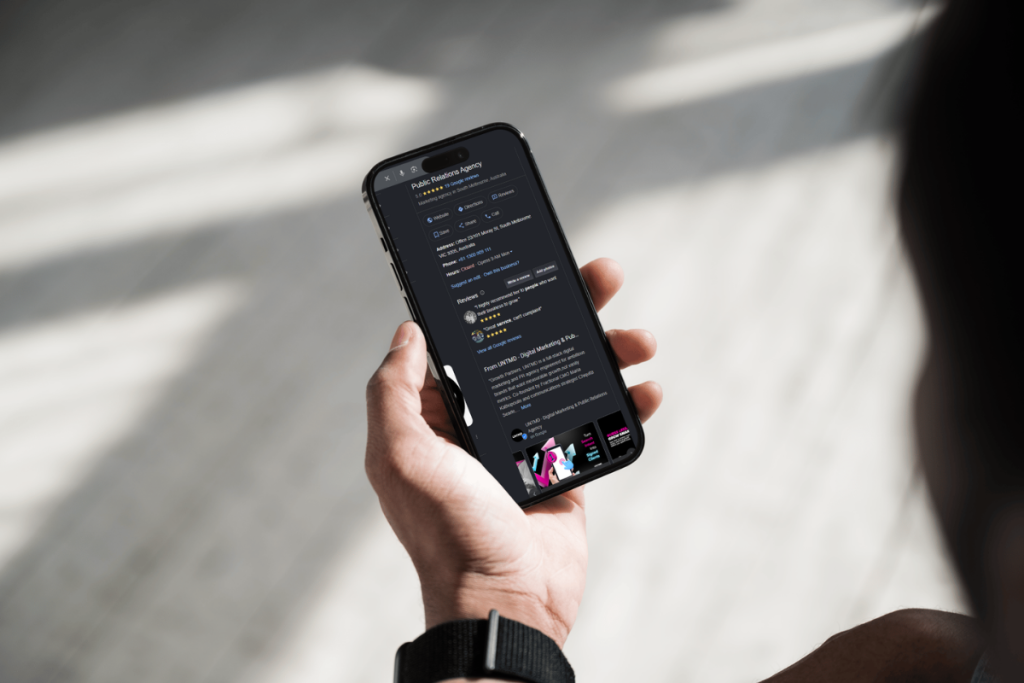
Your Google Business Profile is often the first impression a potential customer gets of your brand. It shows up in local search results, on Google Maps, and in the Knowledge Panel when someone searches your business name. A complete, well-maintained profile builds credibility before a customer ever visits your website.
Add high-quality photos, keep your hours accurate, respond to every review promptly, and post regular updates. Businesses with active, complete profiles rank higher in local search and earn more trust from first-time visitors. This is one of the highest-leverage free tools available for local brand awareness.
Strategy 13: Create Shareable Visual Content
Visual content spreads faster than text. An infographic, a striking product photo, or a quote card that resonates will get shared beyond your existing audience. A behind-the-scenes video does the same. Every share is a brand impression you did not pay for.
You do not need professional photography for every piece. Authentic, well-lit phone photography with consistent branding often performs better than polished stock images. What matters most is that your visual content looks unmistakably like your brand and gives people a reason to share it.
Short-Form Video Is the Highest-Reach Format Right Now
Short-form video on Instagram Reels, TikTok, and YouTube Shorts reaches audiences far beyond your follower count. It consistently does so at a fraction of the cost of paid media. A single well-made video can generate brand awareness that would cost thousands in paid media. For small businesses, this is one of the most accessible high-leverage formats available right now.
Strategy 14: Run Competitions and Giveaways
Competitions and giveaways are one of the fastest ways to expand your reach on social media. A well-run giveaway can introduce your brand to thousands of new people in a matter of days. The mechanic is simple: entry requires following your account, tagging a friend, and sharing the post. Each entry multiplies your reach.
The prize needs to be genuinely relevant to your target audience. Choose prizes that are relevant to your business: a product, a service experience, or a gift card. This attracts entrants who are actually interested in what you sell. Generic prizes like cash or tech attract followers who will unfollow the moment the competition ends.
Strategy 15: Track Your Brand Awareness and Optimise Over Time
Every small business owner figuring out how to increase brand awareness faces the same temptation: trying everything at once. The brands that grow fastest are not the ones that try the most strategies. They are the ones that measure what works and do more of it. Tracking your brand awareness is how you turn effort into a compounding system rather than a series of disconnected tactics.
Key metrics to track include organic search impressions in Google Search Console, social media reach, and direct website traffic. Also, watch branded search volume over time and the volume of reviews and mentions your business earns. Review these monthly. The patterns tell you where your awareness is growing and where it is stalling.
Set Benchmarks Early
Here are some brand awareness tips that make measurement easier. Start with your current baseline across each channel. Start with your current baseline across each channel. Then measure against it monthly. Growth in branded search volume, direct traffic, and unprompted mentions are all signals that your awareness strategies are working.
How AI Search Is Changing Brand Awareness for Small Businesses
AI search engines like Google AI Overviews, ChatGPT Search, and Perplexity now answer discovery queries directly in the results page. When someone searches “best [service] in [city]”, the answer comes from reviews, content, and structured brand information. Not paid ads. Small businesses with a consistent digital presence get surfaced. Those without one do not appear.
This is a new layer of brand visibility that did not exist two years ago.
AI Engines Pull From Your Existing Digital Footprint
Reviews, local listings, website content, and social media presence all feed into what AI engines cite. A small business that has invested consistently across these channels is far more likely to appear in AI-generated answers. Every strategy in this post builds the kind of presence AI engines draw from.
Reviews and Local Content Matter More Than Ever
Reviews are one of the strongest signals AI engines use when recommending local businesses. A high volume of recent, positive reviews increases your chances of appearing in AI-generated answers for local queries. Local content works the same way. Blog posts, FAQs, and location pages give AI engines the material they need to confidently recommend your business.
GEO for Small Business Is Simpler Than It Sounds
Generative Engine Optimisation, or GEO, is the practice of structuring your online presence so AI engines surface your brand in their answers. For small businesses, it comes down to the basics: a complete Google Business Profile, consistent business details across all directories, genuine reviews, and useful content that answers the questions your customers ask.
Starting Now Builds a Compounding Advantage
AI search is still early. Small businesses that build a strong digital presence now will compound that advantage as AI-generated answers become the default for more discovery queries. The strategies in this post, content, SEO, reviews, social media, and local presence, are exactly what AI visibility is built from. None of it is wasted effort.
Learning how to increase brand awareness for a small business is not a one-time project. It is an ongoing commitment to showing up consistently across the channels where your audience lives. The 15 strategies above work best when they work together, each channel reinforcing the others.
Our team works with businesses across Melbourne, Sydney, Brisbane, and across Australia. Book a strategy session and find out what a targeted brand awareness plan could do for your business.
Frequently Asked Questions
Most small businesses start to see meaningful brand awareness gains within three to six months of consistent effort. However, the strongest results come at the 12-month mark and beyond. Brand awareness is cumulative. The earlier you start, the faster it compounds.
Content marketing and SEO are the most cost-effective long-term channels. They require time investment rather than large ongoing ad spend. In the short term, word of mouth, referral programmes, and an optimised Google Business Profile deliver strong awareness for minimal cost.
Track branded search volume in Google Search Console and direct website traffic. Also monitor social media reach, follower growth, and the volume of reviews and mentions your business receives. Set a baseline when you start and measure against it monthly to track progress.
No. Many of the most effective brand awareness strategies for small businesses cost time rather than money. Consistent social media presence, content creation, and word of mouth all drive meaningful awareness without large spend. Local partnerships and a well-maintained Google Business Profile do the same.
Social media lets small businesses reach new audiences, show their brand personality, and stay top of mind with existing followers. Consistent posting, short-form video, and genuine engagement build recognition over time. Paid social amplifies this reach when used strategically on top of a strong organic presence.
Yes, but focus on micro-influencers in your niche rather than large accounts. Micro-influencers with 5,000 to 50,000 engaged followers in your category typically deliver better results for small businesses. Their audiences are more targeted, their recommendations are more trusted, and their rates are accessible.